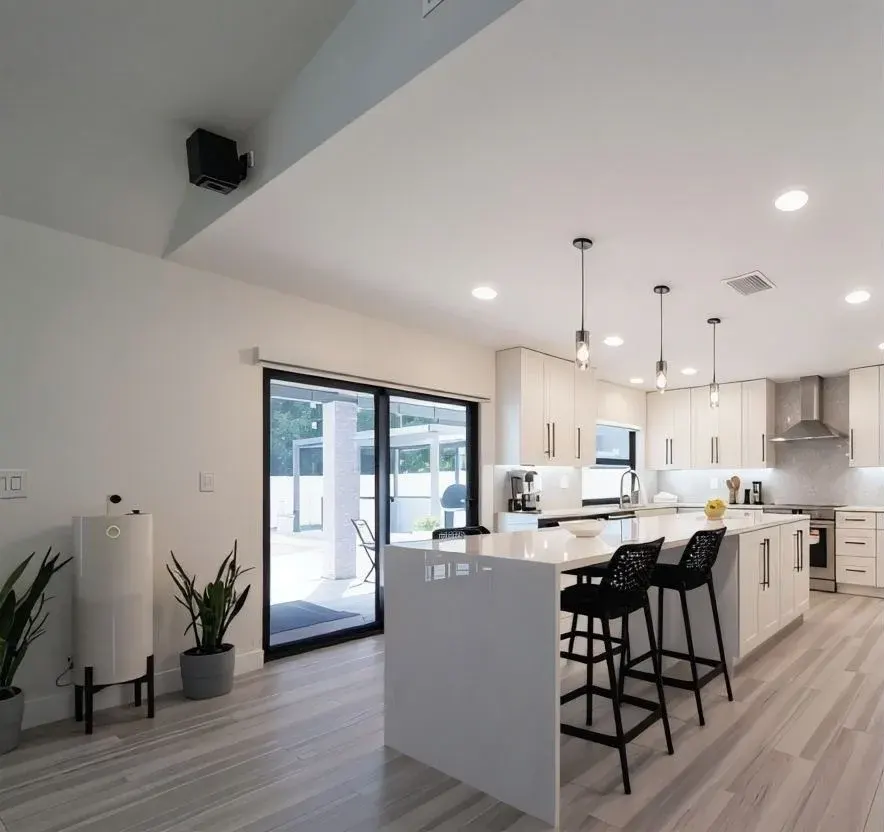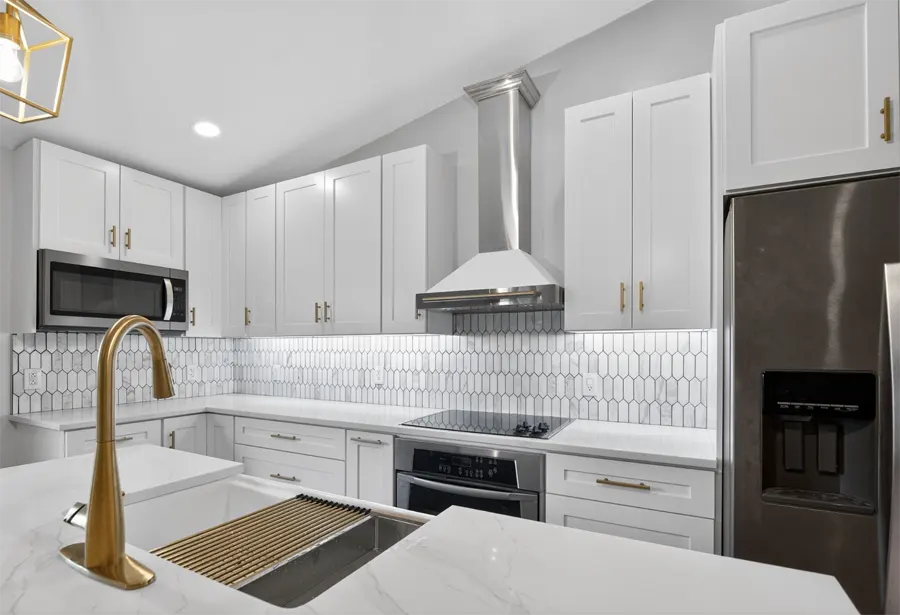
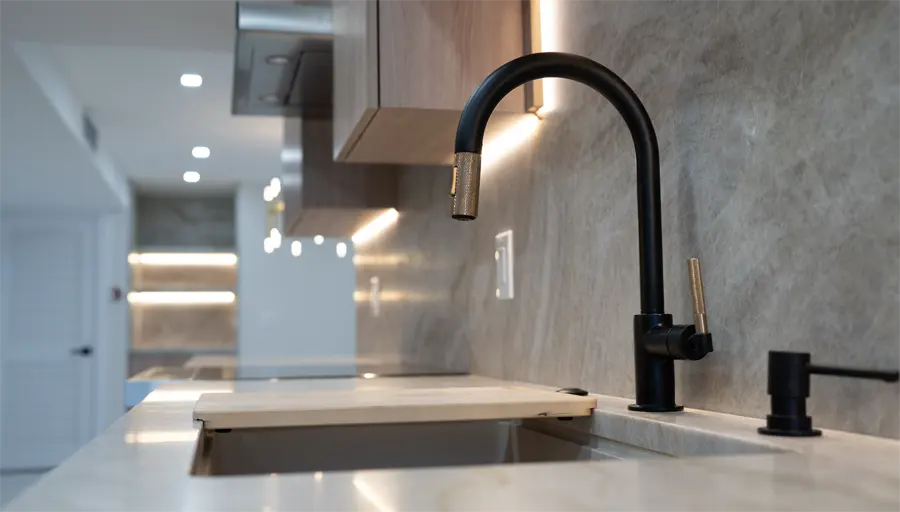
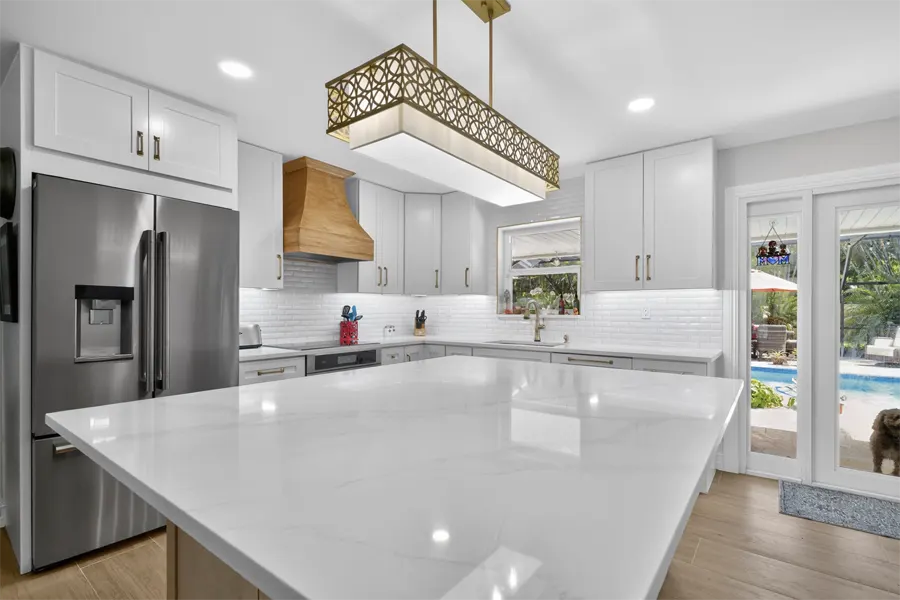
Most people calling a contractor in Miami have been burned before, or they've heard the stories from a neighbor. A number that doubled. A crew that vanished for three weeks. A permit nobody pulled until the inspector showed up. So here's the whole thing laid out, step by step, the way it really runs when you hire us. No mystery, no 'we'll figure it out as we go.' We've done this 600-plus times since 2006, and the process below is why the numbers hold.
The first call and the walkthrough
The first conversation is short. You tell us what you want done, roughly what you're hoping to spend, and where the house is. We're a licensed general contractor working across Miami-Dade, so location tells us a lot already. A 1950s Pinecrest ranch and a newer build in Doral are two completely different jobs before we've even seen a photo.
Then we come to you. Someone from our team walks the actual space, takes measurements, opens a cabinet or two, looks at the panel, checks how the house is put together. This isn't a sales pitch dressed up as a visit. We're gathering the information we need to price the work honestly. If we spot something that's going to complicate the job, old cast iron drain lines, a panel that's maxed out, signs of past water intrusion, we tell you right there, standing in the room with you.
How the fixed price gets built, and why it protects you
After the walkthrough we build a real scope. Every line of work, the materials, the labor, the permit costs, all of it priced out and written down. That becomes your contract number, and it's fixed. Not 'starting at.' Not an estimate that drifts. The price we sign is the price you pay.
The reason this matters is simple. The old game in this business is to bid low to win the job, then make it back on change orders once your kitchen is already torn apart and you have nowhere to go. We don't work that way. The only time your number moves is when you decide to add or change something yourself, and even then you approve it in writing before we lift a tool. If we open a wall and find a problem we genuinely couldn't have seen, we show you the actual condition, walk you through the options, and price the fix in front of you. You're never handed a surprise invoice at the end.
Design and picking your materials
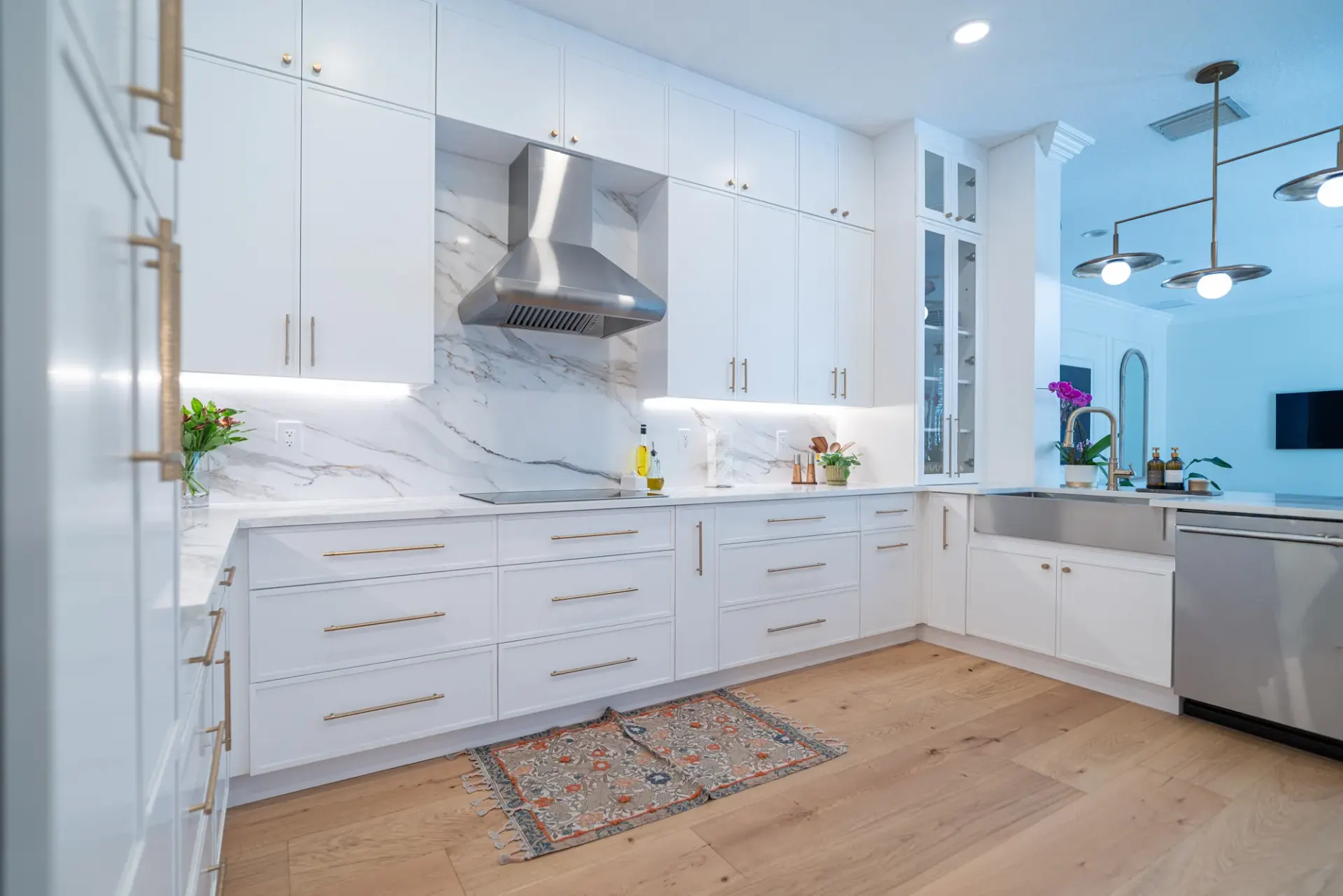
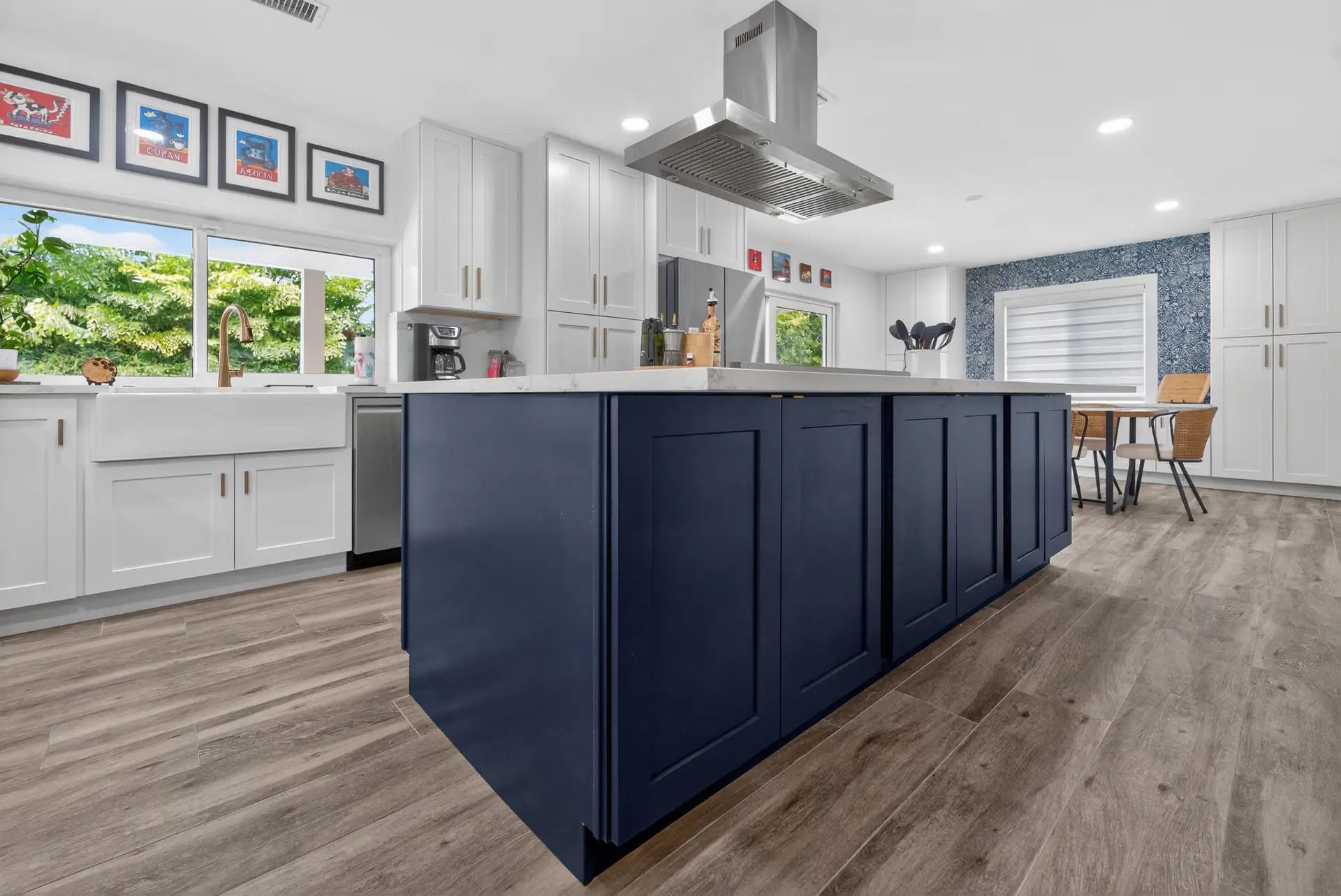
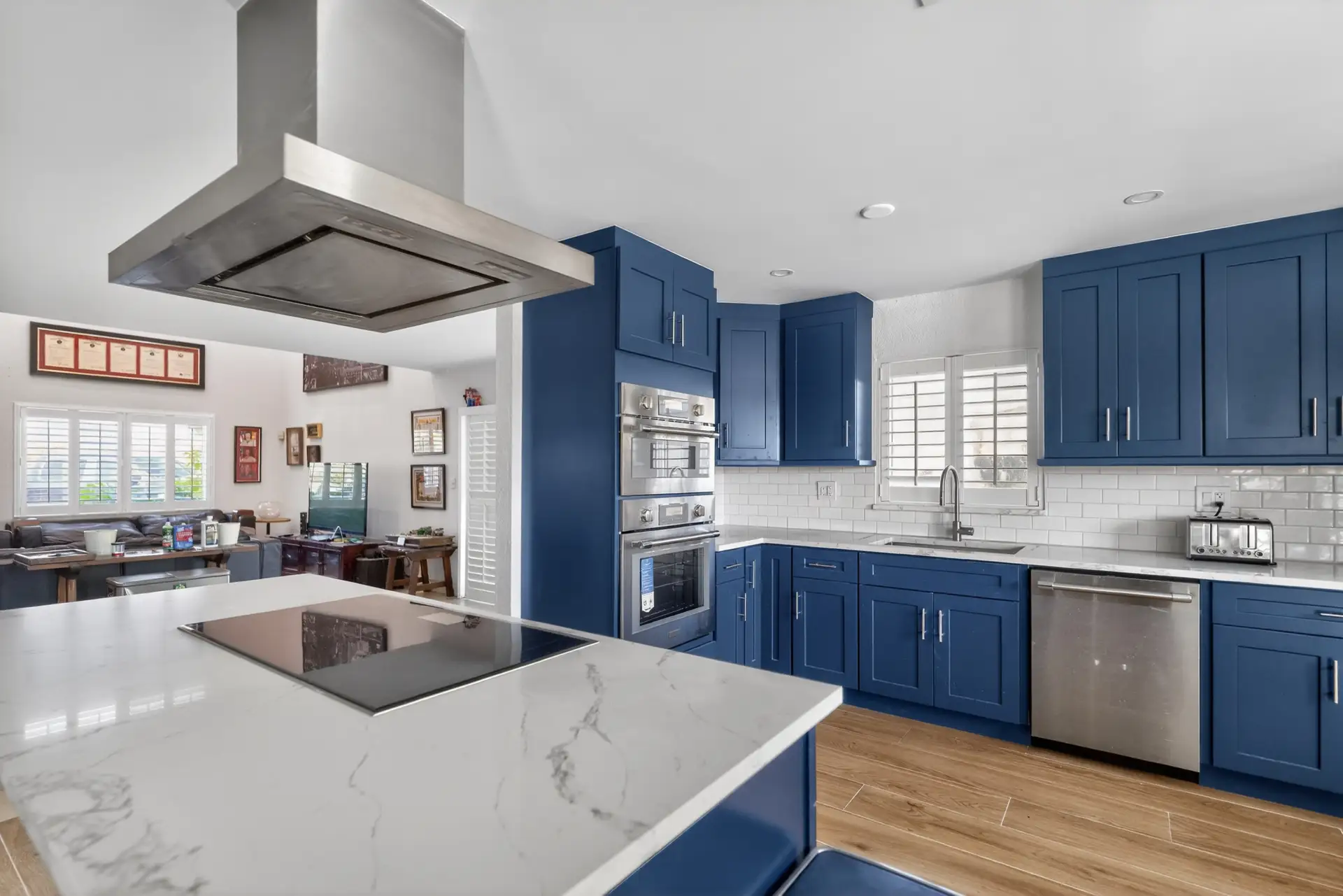
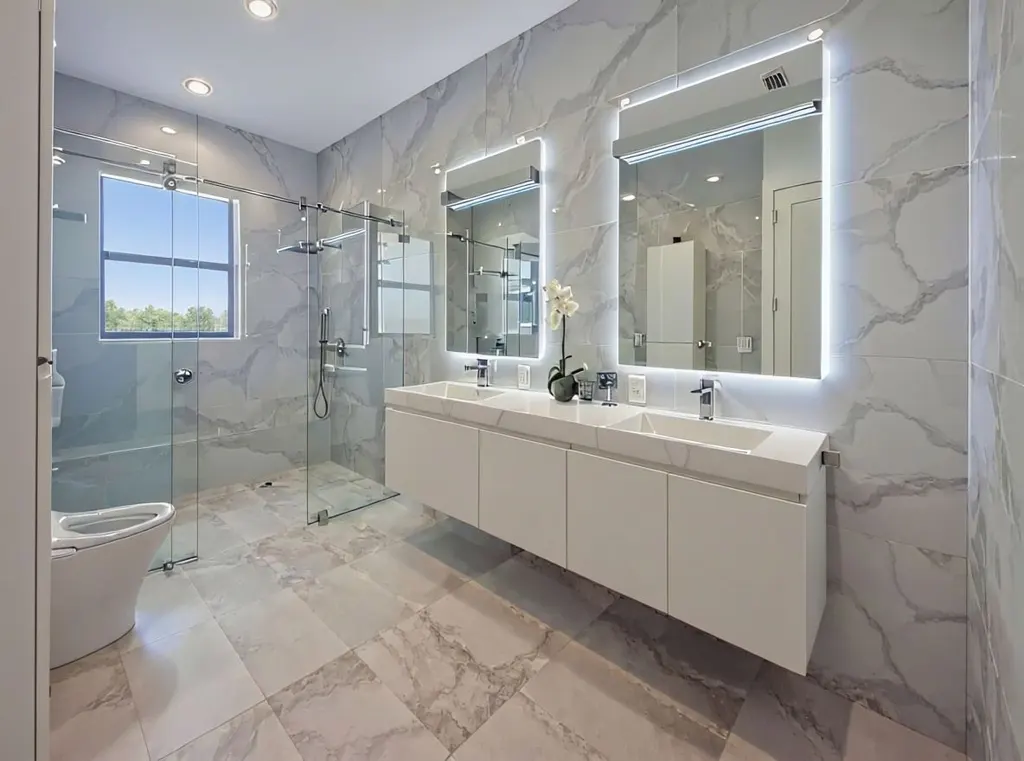
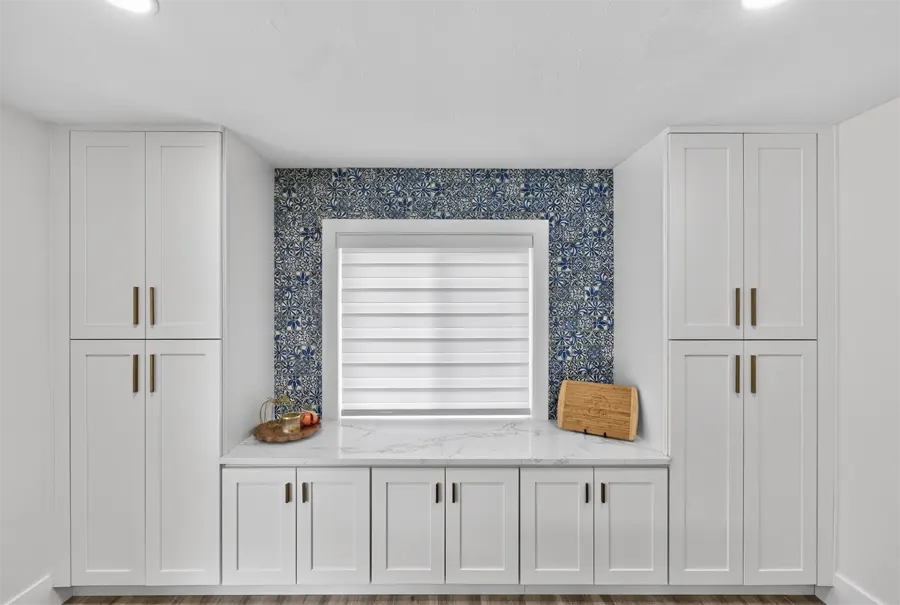
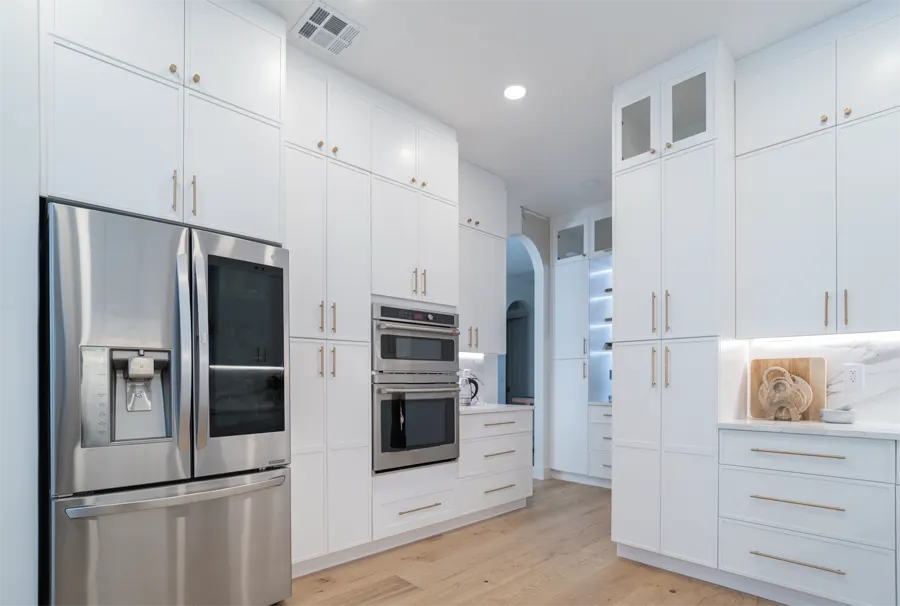
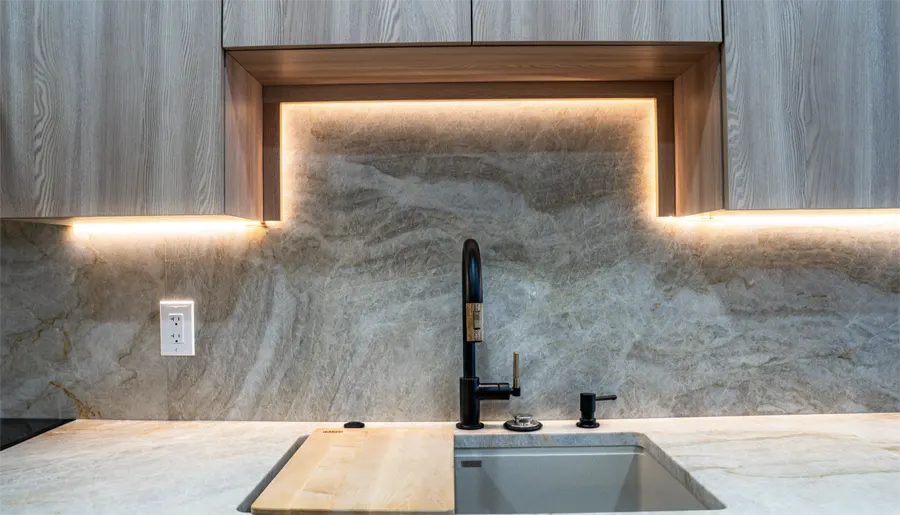
Once the scope is set, we get into the decisions that make the space yours. Layout, finishes, tile, cabinets, fixtures, counters. Some clients come in knowing exactly what they want. Plenty don't, and that's fine, we'll narrow it down with you so you're not drowning in a thousand tile samples.
This is also where we talk about what actually survives in Miami. Salt air eats cheap hardware. Humidity finds its way into anything that isn't sealed right. A finish that looks great in a Chicago showroom can look tired here in two summers. We'll tell you where it's worth spending and where a mid-range choice does the same job. The point of locking materials now is that it feeds the permit set and the schedule. Undecided finishes are one of the biggest reasons remodels stall, so we get them settled before the crew arrives.
Miami-Dade permits and how long they really take
This is the part homeowners dread, and it's the part we take off your plate entirely. We prepare the drawings, submit to the county or the city depending on where you are, and manage the review. Miami-Dade has some of the strictest building code in the country, and for good reason, we build in a hurricane zone. Impact-rated openings, tie-downs, wind-load requirements. It's not red tape for its own sake.
Be honest with yourself about timing here. A straightforward interior remodel might clear permitting in a few weeks. Anything structural, anything touching windows or the roofline, anything in a historic district like parts of Coral Gables, takes longer, sometimes a couple of months. We can't speed up the county, and any contractor who promises you they can is telling you something that isn't true. What we can do is submit a clean, complete package the first time so it doesn't bounce back for corrections, and keep you posted on where it sits.
Demo day, and what old Miami houses hide
The day demo starts is when the project stops being paper and gets loud. We protect the parts of your home that aren't being touched, set up containment, and start opening things up. If your house was built before 1978 we treat it as EPA Lead-Safe from the first swing, because a lot of Miami's best older neighborhoods have paint that predates those rules.
Old houses talk once you open them. We've pulled plaster in Coral Gables and found original 1940s wiring that no inspector would pass today. We've opened bathroom walls in Pinecrest and found galvanized pipe rotted from the inside, or a slow leak that's been feeding mold behind the tile for years. When that happens, you get a photo and a call, not silence. We show you the condition, explain what it means, and price the fix before we proceed. Nothing gets buried back in the wall and forgotten.
How we keep you in the loop
You get one project manager for the whole job. Same person, start to finish. They're your point of contact, so you're never re-explaining your project to whoever happened to answer the phone.
Every week you hear from them whether or not there's a problem. Where the job stands, what's happening next, photos of the work. If something changes, a material backorder, a shift in the inspection date, you find out when we find out, not two weeks later when you notice the crew isn't there. Our team is 38 people in-house, not a rotating cast of subs we met last month, so the person framing your addition today is likely the same one you'll see next week.
Inspections, and why the schedule sometimes moves
At key stages the county sends an inspector, framing, electrical, plumbing, and so on, and the work can't be closed up until each one signs off. We schedule these, meet the inspector on site, and handle any follow-ups.
Here's the honest part. Inspection dates aren't fully in our hands. The county books them, and sometimes an inspector reschedules or a review takes an extra day. When that happens the timeline shifts a little, and we'd rather tell you plainly than pad the schedule with fake dates to look good. A remodel done right in a hurricane zone has to pass real inspections, and that occasionally costs a few days. We'll always tell you which delays are ours to own and which are the county's.
The final walkthrough, punch list, and handoff
Near the end we walk the entire project with you, room by room. You point out anything that isn't right, a drawer that sticks, a paint touch-up, a piece of trim that needs another look. That becomes the punch list, and we don't call the job done until every item on it is handled.
When it's finished you get the final inspection sign-offs, your warranty paperwork, and a space that's actually ready to live in, not 95 percent done with a promise to come back. We've been BBB A+ rated since 2008 and we carry $2M in insurance, and both of those only stay true if we finish what we start. The last day should feel like a handoff, not a getaway.